

Expert Advice from a Leading West Palm Beach Construction Lawyer
Construction disputes define the stakes for firms managing large-scale projects. Outcomes are rarely determined by who is technically right. They are shaped by those who identify risk early, leverage position effectively, and make decisions with precision.
At Maier Law, P.A., we work with established construction companies that cannot afford to make reactive decisions when disputes threaten their margins, bonding capacity, or future work. Complex projects involve multiple stakeholders, layered contracts, and shifting scopes.
Small misalignments, if left unchecked, can quickly grow into disputes that jeopardize both the current project and future business.
By recognizing the forces driving a dispute early, your firm can protect leverage, control risk, and preserve long-term relationships with construction attorney support at every stage.
Even for experienced firms, disputes rarely emerge fully formed. They develop through overlapping contracts, compressed schedules, and competing stakeholder interests. Payment disagreements may conceal delay claims, design concerns can intersect with change order disputes, and miscommunication across teams can magnify exposure.
Understanding these dynamics early allows your firm to prioritize resolution and make informed strategic decisions before escalation occurs.
Why Construction Disputes Escalate at Scale
Large construction projects involve multiple stakeholders, overlapping scopes of work, and aggressive delivery timelines. Disputes typically form long before formal claims are asserted.
Common drivers include:
- Ambiguous or conflicting contract language
- Schedule compression and cascading delays
- Change order disputes tied to scope growth
- Payment disruptions affecting cash flow
- Breakdown in communication between project teams and ownership
These issues rarely exist in isolation. Left unaddressed, they compound and create positions that harden quickly.
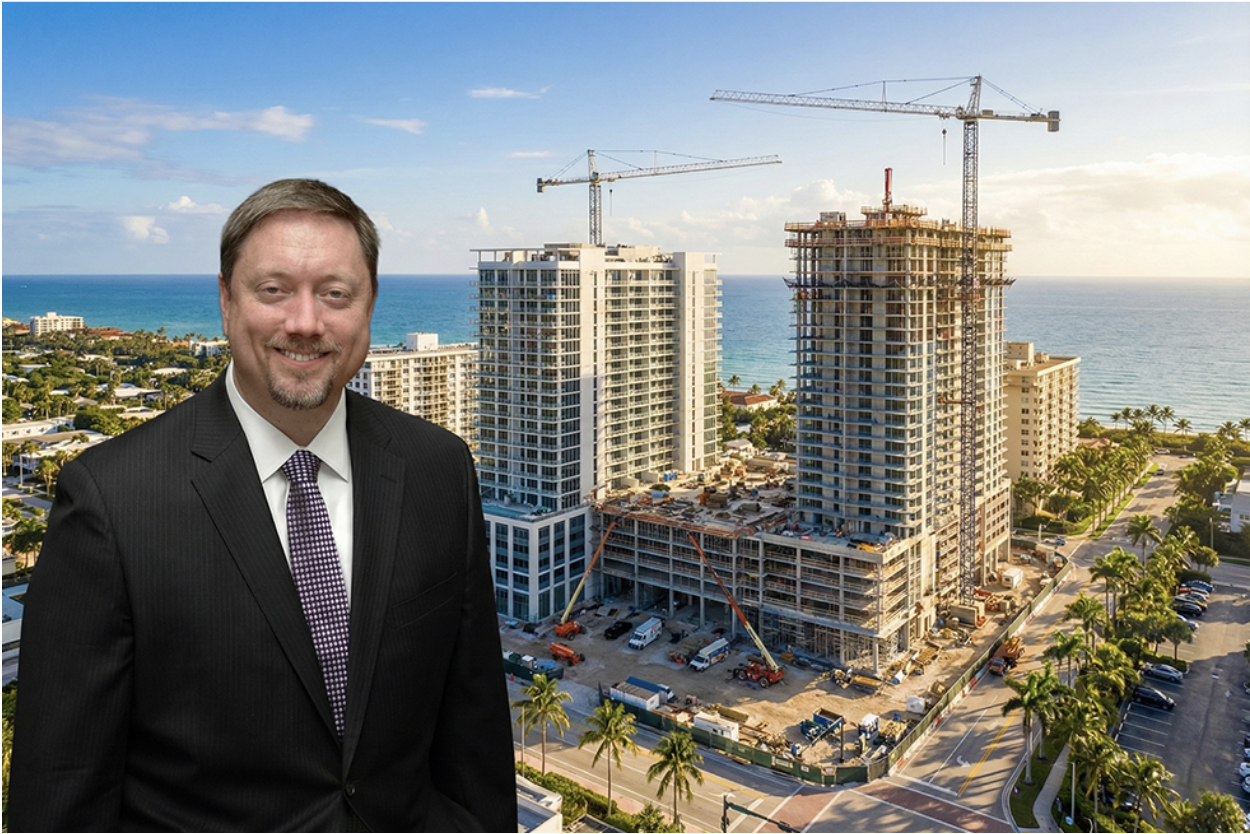
According to Jason C. Maier, Esq., a board-certified construction law attorney, “Most construction disputes become expensive because risk was ignored early, not because the claim itself was complex.”
Identify the True Leverage Points
Before settlement discussions begin, large construction firms must identify what actually controls the dispute. Surface arguments often distract from the real pressure points driving resolution.
Critical questions include:
- Which contractual provisions control risk allocation?
- Were the notice, documentation, and scheduling requirements satisfied?
- How does damage exposure extend beyond the current project?
- What reputational or financial pressures influence the opposing party?
Jason Maier notes, “Firms lose leverage when they argue symptoms instead of causes. Precision changes the trajectory of settlement discussions.”
Using Contractual Dispute Resolution Provisions Strategically
Sophisticated construction contracts are designed to manage conflict, not react to it. Dispute resolution clauses provide structured leverage when used intentionally.
Common mechanisms include:
-
- Executive-level negotiation requirements
- Mandatory mediation
- Dispute review boards
- Arbitration or litigation in designated forums
Each option carries different costs, timing, and exposure implications. For large firms, the decision of when to engage these mechanisms often determines whether a dispute resolves efficiently or escalates unnecessarily.
Maier Law, P.A. regularly assists clients mid-dispute in reassessing strategy once opposing parties reveal their risk tolerance through these processes, including litigation services that protect your firm’s leverage and outcomes.
Settling Without Weakening Future Positions
For firms operating in competitive development markets, settlement decisions must consider precedent and perception. Owners, developers, lenders, and sureties watch how disputes are resolved.
Early legal involvement during construction prevents issues from escalating. Change orders, payment disputes, inspection problems, and schedule delays can create conflicts between owners, contractors, and subcontractors. Timely action preserves leverage and positions your firm to negotiate effectively.
Effective settlement strategies include:
- Narrowing disputes to clearly defined claims
- Resolving issues through contract modifications or future work allocations
- Confidentiality provisions that limit reputational exposure
As Jason Maier explains, “A strong settlement resolves the dispute at hand without creating leverage against you on the next project.”
When Litigation or Arbitration Creates Leverage
Not all disputes are resolved through informal negotiation. In certain cases, initiating formal proceedings strengthens settlement posture rather than undermining it.
A disciplined approach includes:
- Presenting claims supported by a clear damages model
- Coordinating legal strategy with executive and financial leadership
- Using early motion practice to define risk and drive realistic discussions
When managed correctly, arbitration or litigation clarifies exposure and accelerates resolution.
Documentation Determines Settlement Value
Documentation remains the foundation of every construction dispute. Settlement outcomes are shaped by contemporaneous records, not post-project narratives.
Common weaknesses that reduce leverage include:
- Inconsistent daily reporting
- Missed contractual notice deadlines
- Unclear or outdated schedule updates
- Gaps between field documentation and legal strategy
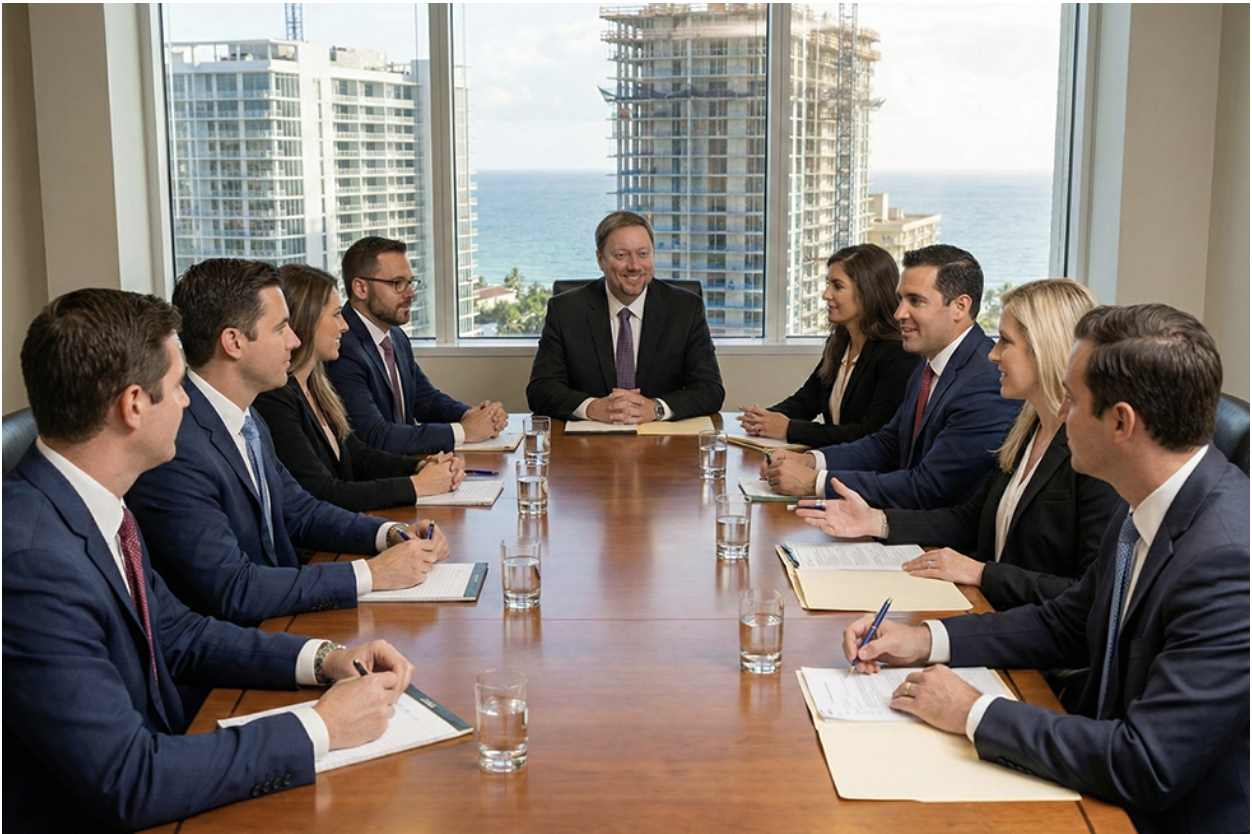
Experienced counsel works directly with project teams and leadership to align documentation with dispute objectives. Industry guidance from organizations such as the American Arbitration Association and contract standards published by the American Institute of Architects provide additional context when evaluating dispute resolution options.
Frequently Asked Questions
How do I settle a construction dispute efficiently?
Early identification of leverage, disciplined documentation, and strategic use of contractual dispute mechanisms significantly increase the likelihood of efficient settlement.
Should large construction firms avoid litigation or arbitration?
No. Formal proceedings can be an effective leverage tool when informal negotiations stall or exposure needs to be clarified.
Can disputes be settled without damaging long-term relationships?
Yes. Carefully structured settlements allow firms to enforce contractual rights while preserving future development opportunities.
Does early settlement signal weakness to owners or developers?
No. When properly structured, early settlement reflects commercial discipline and risk control, not concession.
When should counsel be involved in a construction dispute?
As early as possible, ideally before positions harden and leverage is lost.
For firms handling complex construction disputes, timely, strategic advice is critical. Contact Maier Law, P.A. to discuss your options and protect your business. Simply Click Here, call us today at (561) 318-6589, or visit us at 500 S Australian Ave, Suite 500, West Palm Beach, FL.
About Jason C. Maier, Esq.
Jason C. Maier, Esq., is Managing Partner at Maier Law, P.A. He has 25 years of trial and arbitration experience and can represent clients nationwide in financial fraud and negligence cases. His record includes success in complex financial disputes before both judges and arbitration panels. Jason has earned recognition for his focus on investor recovery and client advocacy.
Note: This information is for general guidance and should not be considered legal advice.